
The Coffee Machine That's Actually Worth Repairing
I repair Sage, DeLonghi, Gaggia and Jura machines every week. I know which ones last, which ones break predictably, and which ones aren't worth touching when they go wrong. Here's what I'd actually buy.

Coffee machines are my speciality. I repair them daily - everything from a £200 pod machine to a £2,500 bean-to-cup unit. I see the difference between machines that are designed to be maintained and repaired, and machines that are designed to be replaced. The price difference between the two is often smaller than people think. This guide tells you what I actually know from the inside.
- Richard, Appliance IQ coffee machine specialist
The Three Tiers of Coffee Machine
Not all coffee machines are created equal. Understanding the tiers helps you buy at the right level for how you actually drink coffee.
Richard's Choice: The Sage Barista Express

Sage Barista Express
BES876 / BES878, Integrated Grinder
I repair Sage machines regularly. When they come back for service - and they do occasionally - the parts are available, the repair is usually straightforward, and the machine is absolutely worth fixing. The Barista Express gives you a serious 15-bar pump, a conical burr grinder, and precise temperature control in one package. It's designed to be serviced. That's rare at this price point.
| Pump Pressure | 15 bar (optimal espresso range) |
| Grinder Type | Conical burr (integrated, dose control) |
| Grind Settings | 16 settings for fine tuning |
| Boiler | Single thermocoil - precise temperature |
| Temperature Control | PID controller (±1°C accuracy) |
| Steam Wand | Manual - milk texture in your control |
| Water Tank | 2 litre (removable) |
| Typical Price (2025) | £599 – £699 (retailer dependent) |
| Parts availability | Excellent - Sage UK stockist network |
| Expected Lifespan | 10–15 years (maintained & descaled) |
Also Excellent: The Gaggia Classic Pro
If the Sage Barista Express doesn't appeal, the Gaggia Classic Pro is the other machine Richard regularly recommends. Different philosophy - simpler, more traditional - but equally repairable.
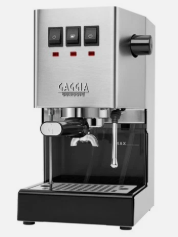
- Italian-built, repairable by design - Gaggia has been making espresso machines since 1977. The Classic Pro is deliberately serviceable - screws, not clips. Any competent engineer can work on it. Parts are available indefinitely.
- Commercial 3-way solenoid valve - Found in professional machines, rarely in domestic ones at this price. Releases pressure after each shot, keeping the puck dry for easier disposal and protecting the boiler.
- Brass boiler - Brass retains and distributes heat better than aluminium. Consistent brew temperature, longer boiler life, better repairability. Budget machines use cheaper aluminium boilers that corrode and degrade.
- Separate grinder recommended - The Gaggia doesn't include a grinder. Pair it with a Baratza Encore or similar dedicated burr grinder for best results. Total cost: ~£550–£600.
- Richard's view - "The Gaggia is a workshop machine at a home price. It's what I'd buy if I wanted something I could fix myself, or have fixed cheaply and quickly. It's not as automated as the Sage, but it'll still be making excellent espresso in 20 years."
Why Repairability Is the Most Important Feature Nobody Mentions
A coffee machine that looks identical to a repairable one can be worth £0 after a pump failure. Here's how to tell the difference before you buy.
- Parts availability determines long-term value - When the pump fails on a well-built machine (and pumps do eventually fail), a replacement part costs £25–£60 and the machine is fixed. When the pump fails on a machine with no parts supply, you have a £400 paperweight. Sage, Gaggia, DeLonghi (Classic range) and Jura all have parts networks.
- Sealed units vs. serviceable units - Some modern machines, particularly super-automatics in the £300–£500 range, are constructed with snap-fit housings and glued or clipped components that are not designed to be opened. When they fail internally, the cost of repair often exceeds the machine's value. Look for machines with screws.
- Descaling access - A machine you can descale properly will last far longer. Every espresso machine needs descaling every 3–6 months (more in hard water areas like Essex). Machines that resist proper descaling - blocked access ports, proprietary descaler requirements - accumulate limescale on the boiler and heating element faster than they should.
- Boiler material - Brass boilers outlast aluminium. Stainless steel boilers are the longest-lasting. Cheap plastic boiler components exist in budget machines and degrade over 2–3 years. This is the component you cannot replace easily - it's worth knowing what you're buying before you spend.
Machines Richard Won't Recommend
These aren't bad machines. They're machines where the repair economics don't work - so when they go wrong, you're buying new.
- Pod / capsule machines under £200 - Nespresso, Tassimo, Dolce Gusto. Convenient and consistent, but not repairable when the pump or boiler fails. If you use one every day for 3 years and it fails, you buy another one. Accept this going in or choose a different machine type.
- Super-automatic machines in the £200–£300 range - These promise fully automatic bean-to-cup at a low price point. In practice, the brew unit (the core component) in this price range is often fragile plastic and awkward to access. Brew unit replacements can cost £150+ - more than many repairs are worth on a £400 machine.
- Cheap "espresso" machines under £100 - These produce espresso-adjacent drinks, not true espresso. The pumps generate pressure that looks right on the dial but isn't sustained correctly through the puck. They break predictably at the cheap pump seal, which isn't stocked by any UK supplier. Walk past these.
- Some premium Jura automatics - Excellent machines, but only serviceable through the Jura service network at Jura prices. If you're comfortable with that arrangement, they're brilliant. If you want the freedom to use an independent repair engineer, factor in the limited third-party parts supply.
5 Things That Will Keep Your Machine Running for 15 Years
The difference between a coffee machine that lasts 5 years and one that lasts 15 is almost entirely maintenance. These are the habits that matter.
Limescale is the primary cause of espresso machine failure. In Essex (hard water area), descale every 2–3 months. Use a manufacturer-approved or citric acid-based descaler - never white vinegar (it leaves residue in seals). Don't wait for the descaling light if you know the water in your area is hard.
If you have a machine with a 3-way solenoid valve (Sage, Gaggia Classic Pro, most semi-automatics), a weekly blind filter backflush removes coffee oils from the group head and dispersion screen. Coffee oil residue turns rancid, taints flavour, and - over time - damages seals and gaskets.
The portafilter gasket (the rubber ring the portafilter seats against) degrades and hardens over time. A worn gasket lets steam and pressure escape around the seal rather than through the puck - and makes the portafilter harder to lock in. At £3–£8 per gasket, this is the cheapest preventative maintenance you can do.
North Essex has moderately hard water. A basic Brita filter jug or inline water filter significantly extends the interval between descaling and reduces boiler limescale accumulation. The filter cartridge costs far less than the descaling products and engineer call-outs it prevents.
If your espresso is flowing too fast, too slow, or the machine isn't producing the pressure it should, book a service. Most pressure problems on Sage and Gaggia machines are pump seals or scale blockages - cheap to fix early. Left running under abnormal pressure, secondary damage to the boiler, OPV or group head becomes the expensive outcome.
Buy a machine that's worth repairing. Then maintain it.
The Sage Barista Express is the machine I recommend most often to people who want great espresso at home without spending £1,500. It's designed to be maintained. Parts are available. And when it eventually needs a service - usually a pump or seal after 5–8 years of daily use - the repair makes complete financial sense on a machine that's still producing great coffee.
The Gaggia Classic Pro is the alternative for people who want something more traditional, more upgradeable, and slightly more affordable. It's been built the same way since the 1970s - that's not a criticism, it's the reason it lasts.
Prices quoted are approximate UK retail prices as of 2025 and may vary by retailer. Appliance IQ is an independent repair company - we have no commercial relationship with Sage, Gaggia or DeLonghi. This recommendation is based solely on field experience as a specialist coffee machine repair engineer.